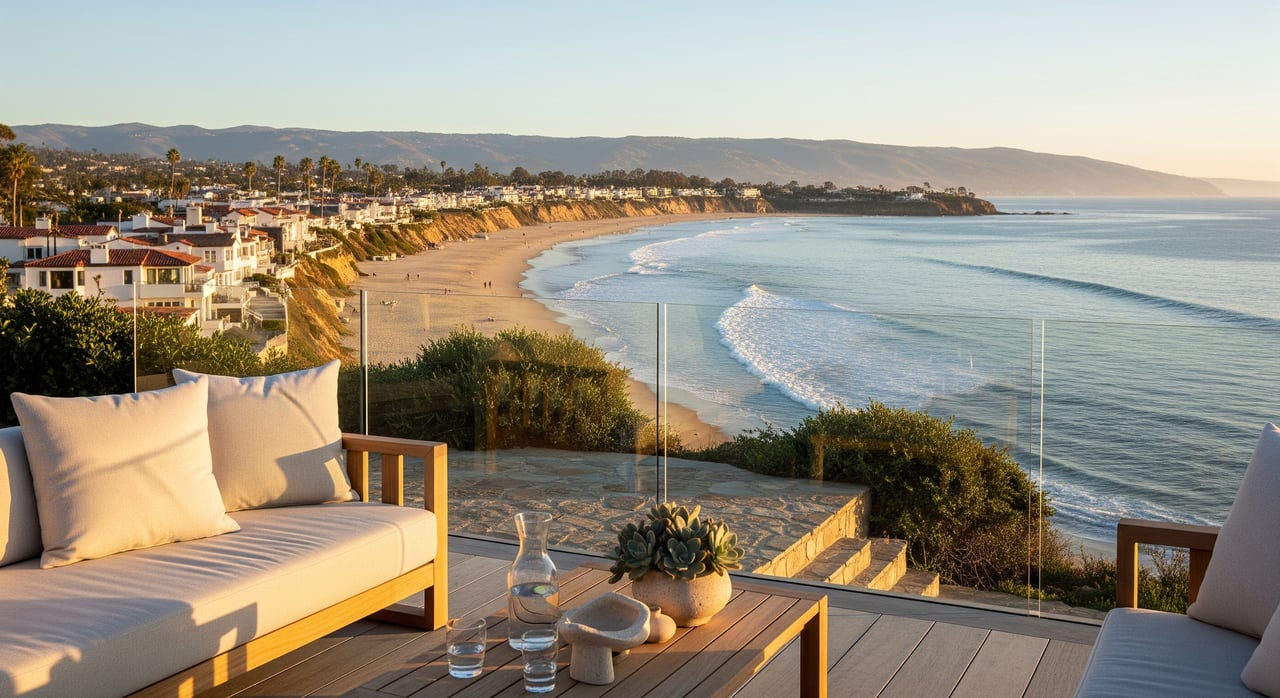
Trying to choose between a Del Mar oceanfront home and a Village address? You are not alone. Both options offer a distinct way of living, and the right fit depends on what you value day to day. In this guide, you will compare lifestyle and noise, walkability and parking, maintenance and permitting, insurance and resale, plus design choices that hold up to coastal conditions. You will also get a practical checklist to make a confident decision. Let’s dive in.
Two Del Mar lifestyles at a glance
Oceanfront essentials
If you want uninterrupted views and direct proximity to the beach, oceanfront living delivers. You will likely enjoy quieter residential streets, a strong visual connection to the water, and outdoor spaces designed around the horizon. Some homes sit on or above coastal bluffs, which means setback, erosion, and slope stability are part of the ownership conversation. Depending on location, you may also hear trains where the rail corridor runs close to the bluff.
Village core essentials
If you want to step out your door for coffee, dinner, and errands, the Village around Camino Del Mar and 15th Street is the most walkable part of town. You trade beach immediacy for convenience and a social rhythm. Expect more pedestrian energy, evening activity near restaurants, and easier access to services. During busy seasons and major events at the Fairgrounds, you may notice spikes in noise, traffic, and parking demand.
Lifestyle tradeoffs you will feel
Daily routines
- Oceanfront: Your days revolve around the beach and outdoor living. You will likely host on decks and terraces and enjoy privacy outside peak access points. Some errands may require a short drive or longer walk to the Village.
- Village: Your routine is centered on walkability. Groceries, dining, boutiques, and civic uses are steps away. Guests can meet you in town without planning around beach parking.
Noise patterns
- Oceanfront: The sound of surf and wind is a constant backdrop. Where the passenger rail line hugs the bluff, intermittent train horns and pass-bys can be noticeable. Event noise is usually limited unless you are near major access points or the Fairgrounds.
- Village: Expect pedestrian and restaurant noise, delivery activity, and occasional evening music. During fair and race seasons, traffic and parking pressure increase. Traffic noise from Camino Del Mar or I-5 may be more noticeable in certain locations.
Pro tip: Visit properties at different times of day and on event days to gauge true noise exposure.
Walkability and access
- Village: Strongest walkability in Del Mar with immediate access to shops, dining, the library, and public spaces. Ideal if you prioritize errands and social life on foot.
- Oceanfront: Some homes are an easy walk to the Village, while others are more isolated along the coast. Plan for a short drive, bike ride, or longer walk for daily needs.
Parking reality
- Village: On-street parking is limited and often time-restricted in peak seasons. Public lots help but can fill up on summer weekends and during Fairgrounds events. Older cottages may have smaller garages or limited guest parking.
- Oceanfront: Single-family homes often include private driveways and garages, which simplifies resident parking. Narrower coastal streets and limited public spaces near access points can constrain guest parking. In condo buildings, confirm deeded spaces and guest policies.
Ownership costs and risk
Maintenance and durability
Ocean exposure accelerates wear. On oceanfront homes, salt air and moisture can corrode metal hardware, HVAC equipment, and fixtures faster. Exterior paint, sealants, and decking typically require more frequent upkeep, and landscaping choices may be limited by salt spray and coastal soils. Plan for higher annual maintenance budgets and a preference for marine-grade materials. In the Village, salt exposure is generally lower, though older cottages may need systemic upgrades like roofing, plumbing, and electrical depending on age.
Permits and coastal rules
Oceanfront improvements often require coastal development permits from the City and sometimes the California Coastal Commission. Expect geotechnical studies, bluff setback analysis, and documentation of slope stability. Local policy can limit shoreline armoring and influence what is possible with future improvements. Renovations to older Village homes can also trigger code upgrades. For any property, confirm past permits, approvals, and whether coastal and structural documentation is current and complete.
Insurance and financing
Some oceanfront parcels fall within mapped flood zones, which can require flood insurance. Standard homeowners policies may exclude certain coastal hazards, so you may need additional wind, flood, or umbrella coverage. Erosion and bluff concerns can impact underwriting and renewal terms. Village properties often carry lower insurance costs unless there is a site-specific exposure such as a floodplain. Obtain insurance quotes and lender input early to avoid surprises.
Value and resale
Direct oceanfront lots are scarce, which supports a premium per square foot and long-term demand when hazards are addressed. That said, rail proximity or documented bluff issues can narrow the buyer pool. Village homes appeal to buyers who prioritize convenience and community, which can broaden resale demand among lifestyle-oriented purchasers. If you plan to pursue short-term rental income, confirm municipal rules and any HOA restrictions before you buy.
Design and material choices that last
Oceanfront finish expectations
Oceanfront homes often showcase premium finishes and expansive glazing to capture views. You will commonly see corrosion-resistant metals, composite or sealed decking, and high-performance window systems that handle salt, wind, and humidity. Mechanical systems are typically specified for coastal conditions with added filtration or dehumidification.
Village finish expectations
Village inventory is a mix of historic cottages, midcentury homes, and newer infill. You may find everything from original finishes to fully renovated designer spaces. Many buyers trade water views for interior design quality, open-plan layouts, and reimagined courtyards that extend living areas.
Sound mitigation for peace and quiet
If you are near restaurants or busier streets in the Village, consider double-pane or laminated glazing and acoustic insulation in party walls. If your oceanfront home is close to the rail corridor, specialized window-wall systems and acoustic sealing can help reduce train and wind noise. Site planning can contribute too, though lot constraints may limit options.
Buyer due diligence checklist
Use this short list to test lifestyle fit and confirm the essentials before you commit.
- Visit at different times: weekday mornings, weekend evenings, and during Fairgrounds events to hear real noise patterns and see parking demand.
- Obtain and review:
- Geotechnical and slope stability reports, particularly for blufftop parcels.
- Coastal development permits and any recorded coastal conditions.
- FEMA flood map status and property elevation.
- Recent insurance quotes and any historical premiums or claims.
- HOA documents for parking rules, rental restrictions, and maintenance obligations.
- Structural, roofing, and exterior maintenance history including paint cycles, deck replacements, and HVAC ages.
- Title report for easements such as beach access paths or shoreline protective devices.
- Ask the seller or agent:
- Has any bluff stabilization work been completed, and are there open permits or violations?
- How many off-street or deeded parking spaces convey?
- Are there known noise complaints or documented measurements?
- Are special assessments anticipated, especially in HOA communities?
- Consult specialists:
- Geotechnical engineer for bluff retreat rates, setbacks, and feasibility of future improvements.
- Coastal permit consultant or land-use attorney for permit scope and timelines.
- Insurance broker for availability and cost of homeowners, flood, and surge coverages.
- Architect or contractor with coastal experience for materials, maintenance cycles, and corrosion mitigation.
- Local planning staff for municipal code interpretation on short-term rentals, parking, and coastal protections.
Which fits you?
Choose the option that matches how you live most days of the year.
- Choose oceanfront if you prioritize view, beach access, and privacy, and you are comfortable budgeting for higher maintenance, coastal permitting, and tailored insurance.
- Choose Village if you value walkability, café culture, and easy errands, and you are comfortable with busier surroundings during peak seasons and occasional parking constraints.
Work with a design-led team
Whether you choose the ocean or the Village, the right representation helps you navigate coastal reports, permits, and materials while keeping design quality front and center. With a design and architecture background, publication-level marketing, and high-touch guidance, the Modern Homes Team aligns your lifestyle goals with the right property and helps you plan smart upgrades that stand up to coastal living. If you are weighing options in Del Mar or across coastal San Diego, connect with the Modern Homes Team to compare properties, map due diligence, and move with confidence.
FAQs
What noise should I expect near Del Mar’s rail line?
- Where the corridor runs close to the bluff, you may hear intermittent train horns and pass-bys along with natural surf and wind. Visit at multiple times to gauge your tolerance.
How do coastal permits affect a Del Mar blufftop remodel?
- Many improvements require coastal development permits and geotechnical studies. Expect reviews of setbacks, slope stability, and policy limits on shoreline protection.
Are flood zones common for oceanfront parcels in Del Mar?
- Some low-lying sites may fall within mapped flood zones, which can trigger lender-required flood insurance. Confirm FEMA status and obtain quotes early.
What parking issues are typical in the Village core?
- On-street spaces are limited and often time-restricted in peak seasons. Public lots fill during fair and race events, and older homes may have smaller garages.
What materials hold up best to salt air near the ocean?
- Favor fiber cement siding, composite decking, sealed concrete, and marine-grade or powder-coated metals. Use high-performance glazing and coastal-rated mechanicals.