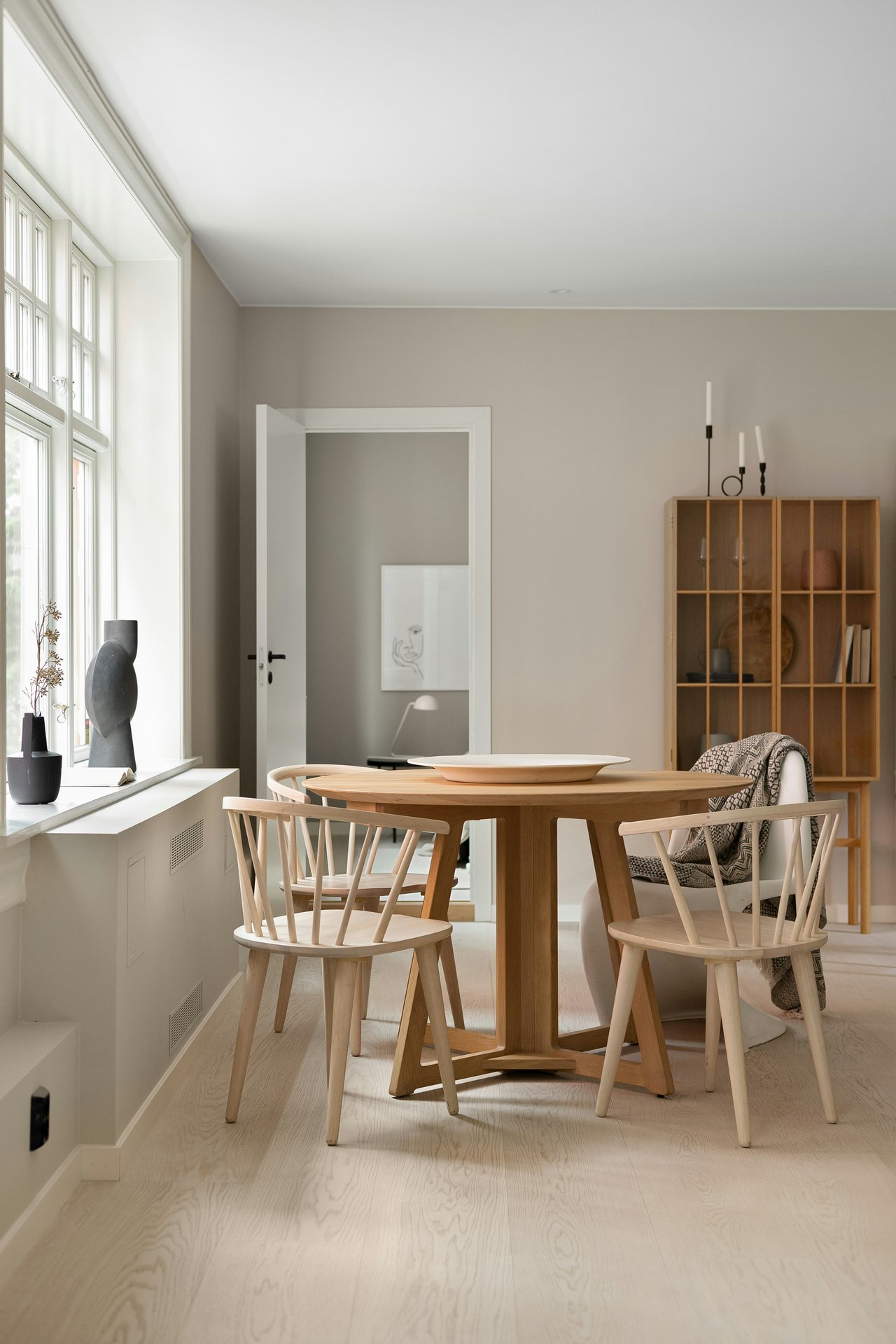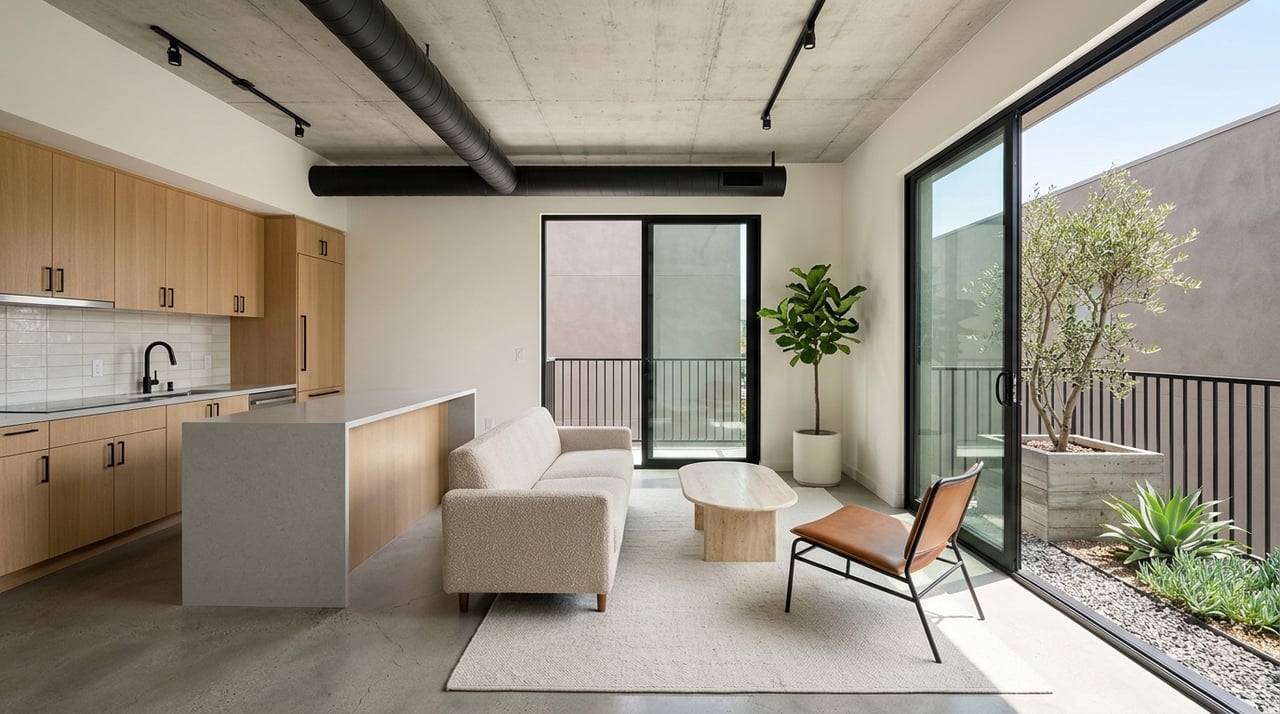
If you want San Diego city living without giving up style, 92103 deserves a closer look. This part of the urban core brings together Downtown energy and Uptown character, giving you everything from loft-like live/work spaces to boutique condos near cafes, parks, and transit. If you are trying to decide where your lifestyle fits best, this guide will help you understand how loft and condo living really works here. Let’s dive in.
Why 92103 Feels Broader Than One Neighborhood
When people talk about loft and condo living in 92103, they are usually talking about a wider urban lifestyle that overlaps Uptown and Downtown rather than one uniform neighborhood. The City of San Diego identifies Downtown as a collection of eight neighborhoods, including Gaslamp, East Village, Columbia, Marina, Cortez, Little Italy, Horton Plaza, and Core. Uptown includes areas like Bankers Hill, Hillcrest, Mission Hills, Middletown, and University Heights.
That matters because each area offers a different version of condo living. Some parts feel vertical and fast-paced, while others feel more layered, residential, and architectural. The result is a market with real variety for buyers who want low-maintenance ownership in central San Diego.
Downtown Condo Living
Downtown delivers the most classic high-rise condo experience in this part of San Diego. The City describes Downtown as the center of the city’s business, arts, and entertainment communities, which helps explain why so many buyers are drawn to its walkable, connected lifestyle. If you want a home base near restaurants, cultural destinations, and trolley access, Downtown often checks those boxes.
Within Downtown, the experience can shift from block to block. Some areas lean more polished and tower-oriented, while others still show traces of the district’s earlier industrial roots. That architectural mix is part of the appeal, especially if you value homes with a strong urban identity.
East Village Loft Appeal
East Village has the clearest loft story in the area. The City notes that it was once an old industrial warehouse district, and much of that former fabric has been replaced by hotels, condominiums, office buildings, shops, and restaurants. It also points to Old City Hall as an example of a building used partly as live/work loft units.
If you are drawn to loft living, East Village is where that conversation feels most grounded. You may find spaces with a more open, flexible feel that suit buyers who value creative layouts, adaptive reuse, or a distinctly urban backdrop. Compared with more traditional condo neighborhoods, East Village often reads as more industrial, more vertical, and more contemporary in its day-to-day energy.
Little Italy Walkability
Little Italy offers a slightly different take on condo living. The City describes it as a pedestrian-friendly community with rich culture and history, anchored by India Street and shaped by a strong mix of retail and residential development. It also describes the area as both a premier business district and an innovative residential community.
For many buyers, that means a condo lifestyle built around going out your front door and being part of the street life. If your priorities include dining, daily walkability, and a strong neighborhood rhythm, Little Italy often stands out. It feels urban, but it can also feel more intimate than a pure tower district.
Uptown Condo Living
Uptown gives you a more varied and often more residential version of urban living. Instead of a skyline-first identity, you will see a mix of older buildings, condo conversions, newer infill, and neighborhood business districts. This side of the market can be especially appealing if you want convenience and character in equal measure.
The City’s 2024 Hillcrest Focused Plan Amendment also reinforces the direction of this area. The plan supports more housing near transit and services, along with more public spaces and stronger connections to Balboa Park, Downtown, and North Park. For buyers, that signals continued support for walkable urban living in the Uptown core.
Bankers Hill Character
Bankers Hill sits north of Downtown and west of Balboa Park. The City describes it as a residential and small commercial hot spot with many Victorian and Craftsman homes, some of which have been converted into condominiums, law offices, medical offices, and other professional uses.
That mix gives Bankers Hill a distinct texture. If you appreciate older architecture and adaptive reuse, this neighborhood may feel more layered than a newer condo district. It can be a strong fit for buyers who want a home with architectural personality and a central location.
Hillcrest Convenience
Hillcrest is one of the most service-rich parts of Uptown. The City describes it as known for restaurants, stores, medical offices, two major hospitals, and a wide mix of older homes with newer upscale apartments and condominiums. It is one of the clearest examples of how condo living in 92103 can combine convenience with a strong neighborhood identity.
If your version of home includes being close to dining, daily errands, and transit-connected city living, Hillcrest deserves attention. The housing mix also means you may see everything from older multifamily buildings to newer condo options. That range gives buyers more flexibility in how they define urban comfort.
Mission Hills, Middletown, and University Heights
Mission Hills offers a quieter counterpoint to the denser parts of the market. The City describes it as a neighborhood of stately and unique homes, many dating to the early 20th century, with shops and cafes that add to its vibrancy. While it is not a classic loft district, it helps round out the condo conversation with a more residential and historic feel.
Middletown mixes single-family and multifamily development and is recognized by the City for harbor views and historic buildings. University Heights is described as a residential community with a vibrant business district along Park Boulevard. Together, these neighborhoods show how Uptown living can feel urban without always feeling high-rise.
What Floor Plans Tend to Look Like
There is no single “typical” floor plan across 92103. The most accurate way to think about layouts is by neighborhood and building type. Downtown tends to lean toward towers and live/work loft conversions, while Bankers Hill often features conversions and boutique condo buildings, and Hillcrest includes a broad mix of older and newer multifamily housing.
SANDAG’s 2020 Census profile for ZIP code 92103 reported 32,749 residents, 18,350 households, 1.75 persons per household, and a median age of 42.3. That smaller-household profile aligns naturally with compact, low-maintenance homes and flexible urban floor plans. In practical terms, many buyers here are looking for efficiency, location, and ease of ownership rather than large-lot living.
Why Buyers Choose This Lifestyle
The strongest draw of loft and condo living here is not just the unit itself. It is the broader lifestyle built around walkability, shared amenities, and easier access to transit, dining, and public spaces. In many cases, the neighborhood becomes an extension of your living room.
That is especially true in areas where public amenities continue to expand. The City’s East Village Green project, for example, was planned as a 4.1-acre urban park with a community center, dog parks, a playground, public art, and underground parking. Projects like this help explain why buyers often accept smaller private footprints in exchange for a richer urban environment.
Transit and Mobility
Transit is a real part of the value proposition in this part of San Diego. MTS lists downtown trolley stations at 12th & Imperial, Gaslamp Quarter, Convention Center, Seaport Village, Santa Fe Depot, County Center/Little Italy, Middletown, and Washington Street. MTS also states that the trolley connects downtown with East County, UC San Diego, South Bay, and the Mexico border.
Bus service also supports a car-light lifestyle. MTS says Rapid 215 and Route 7 can connect riders from downtown to Balboa Park and the Zoo in 15 minutes or less, with frequent daily service. Route 3 serves Hillcrest and Downtown, and Uptown Transit identifies Route 11 as serving Normal Heights, University Heights, Hillcrest, and Downtown.
Condo and Loft Due Diligence
Buying a condo or loft means evaluating more than finishes and location. You are also buying into a building and, in most cases, a homeowners association. That makes monthly costs, reserve planning, and building condition just as important as the floor plan.
The Consumer Financial Protection Bureau notes that HOA dues are typically paid directly to the HOA rather than included in your mortgage payment, and that they should be part of your monthly housing budget. It also notes that dues can range from a few hundred dollars a month to more than $1,000 a month. Before you fall in love with a unit, it is smart to understand the full monthly picture.
Review HOA Documents Carefully
California law requires sellers to provide prospective condo buyers with important association documents. These include governing documents, recent financial documents, current regular and special assessments and fees, unpaid assessments and fines, rental or leasing restrictions, and, if requested, board minutes from the prior 12 months.
This review process matters because it gives you a clearer picture of how the building is run. You can learn whether the HOA appears financially prepared, whether rules fit your lifestyle, and whether there are patterns of concern that deserve a closer look. For condo buyers, this step is not a formality. It is central to making an informed decision.
Older Buildings Need Extra Attention
The California Department of Real Estate notes that regular assessments support day-to-day operations and reserves, while special assessments may be levied for major repairs or other extraordinary costs. It also warns that older conversion properties can come with higher maintenance and repair needs because hidden infrastructure, plumbing, electrical, and mechanical systems may need substantial updates.
That is especially relevant in neighborhoods where adaptive reuse and older buildings are part of the appeal. Character can add a lot to the ownership experience, but it should be matched by careful due diligence. If you are comparing a newer tower with an older boutique building, understanding those tradeoffs is essential.
How To Choose the Right Fit
If you want the most vertical, transit-rich experience, Downtown may be your best match. If you like a walkable dining district with strong street life, Little Italy is often a standout. If loft character and adaptive reuse matter most, East Village has the clearest story.
If you are drawn to architectural variety and a more layered neighborhood feel, Bankers Hill and Hillcrest may be more compelling. If you want a quieter, more residential texture while staying close to the urban core, Mission Hills, Middletown, and University Heights can broaden your options. The right choice usually comes down to how you want your home and your daily life to connect.
For design-minded buyers, this part of San Diego is especially interesting because no two pockets feel exactly the same. The best move is to look beyond the label of “condo” or “loft” and focus on the building, the block, the transit access, and the kind of atmosphere you want to come home to each day.
If you are exploring urban San Diego with an eye for architecture, layout, and long-term livability, Modern Homes Team can help you evaluate the details that shape real value.
FAQs
What is the difference between Downtown and Uptown condo living in San Diego?
- Downtown usually offers a more vertical, tower-oriented lifestyle with stronger trolley access, while Uptown tends to offer more architectural variety, condo conversions, and a more residential neighborhood feel.
Which San Diego neighborhood has the strongest loft feel?
- East Village has the clearest loft identity because of its industrial history, adaptive reuse story, and examples of live/work loft spaces.
Is Little Italy a walkable area for condo owners?
- Yes. The City describes Little Italy as a pedestrian-friendly community with a strong mix of retail and residential development centered around India Street.
What should you review before buying a condo in California?
- You should review the HOA governing documents, financials, current assessments and fees, rental restrictions, unpaid assessments, and available board minutes to better understand the building and association.
Do HOA dues count as part of your monthly housing cost?
- Yes. HOA dues are typically paid separately from the mortgage payment, and they should be included in your monthly housing budget.
Why do older condo conversions need extra due diligence?
- Older conversions may have hidden maintenance needs involving infrastructure, plumbing, electrical, or mechanical systems, which can affect costs over time.