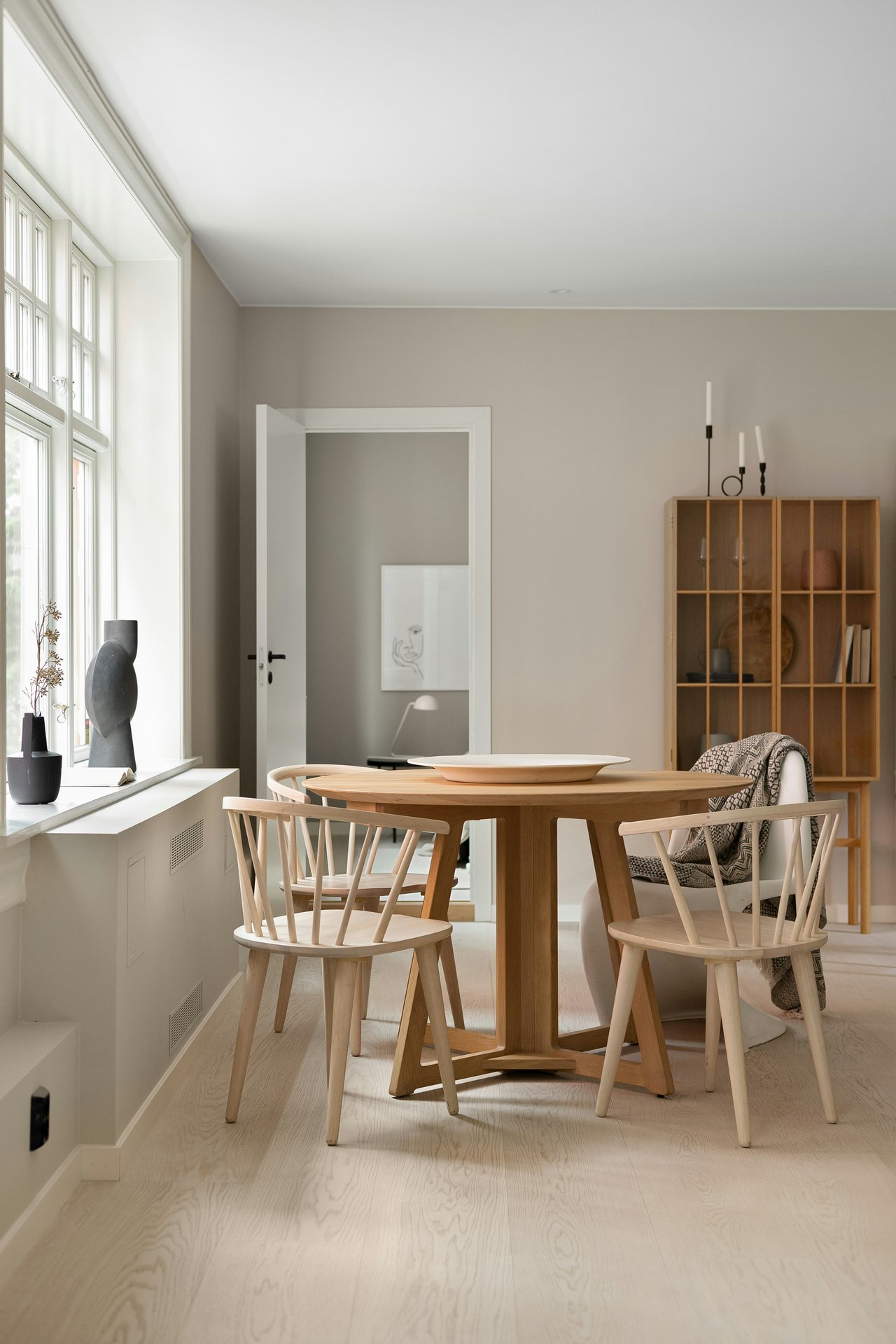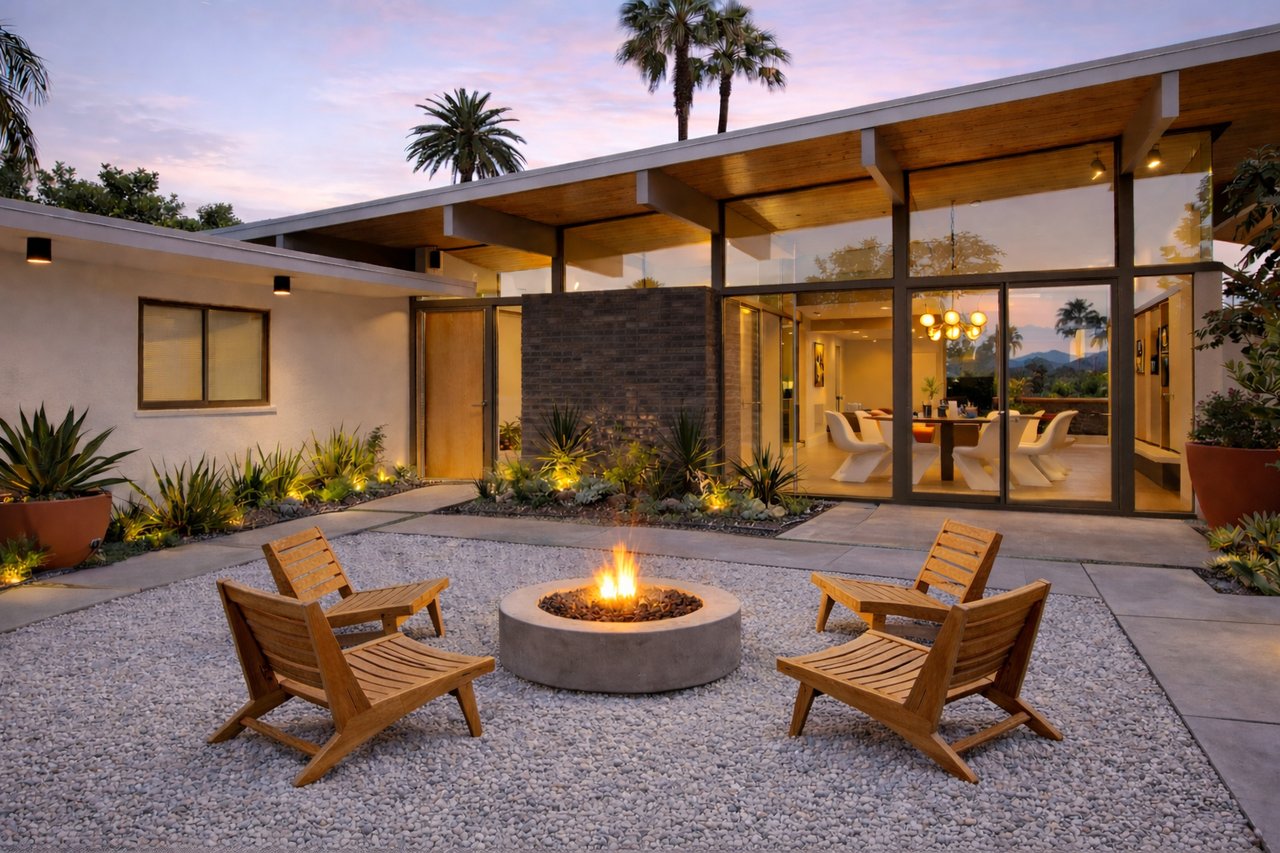
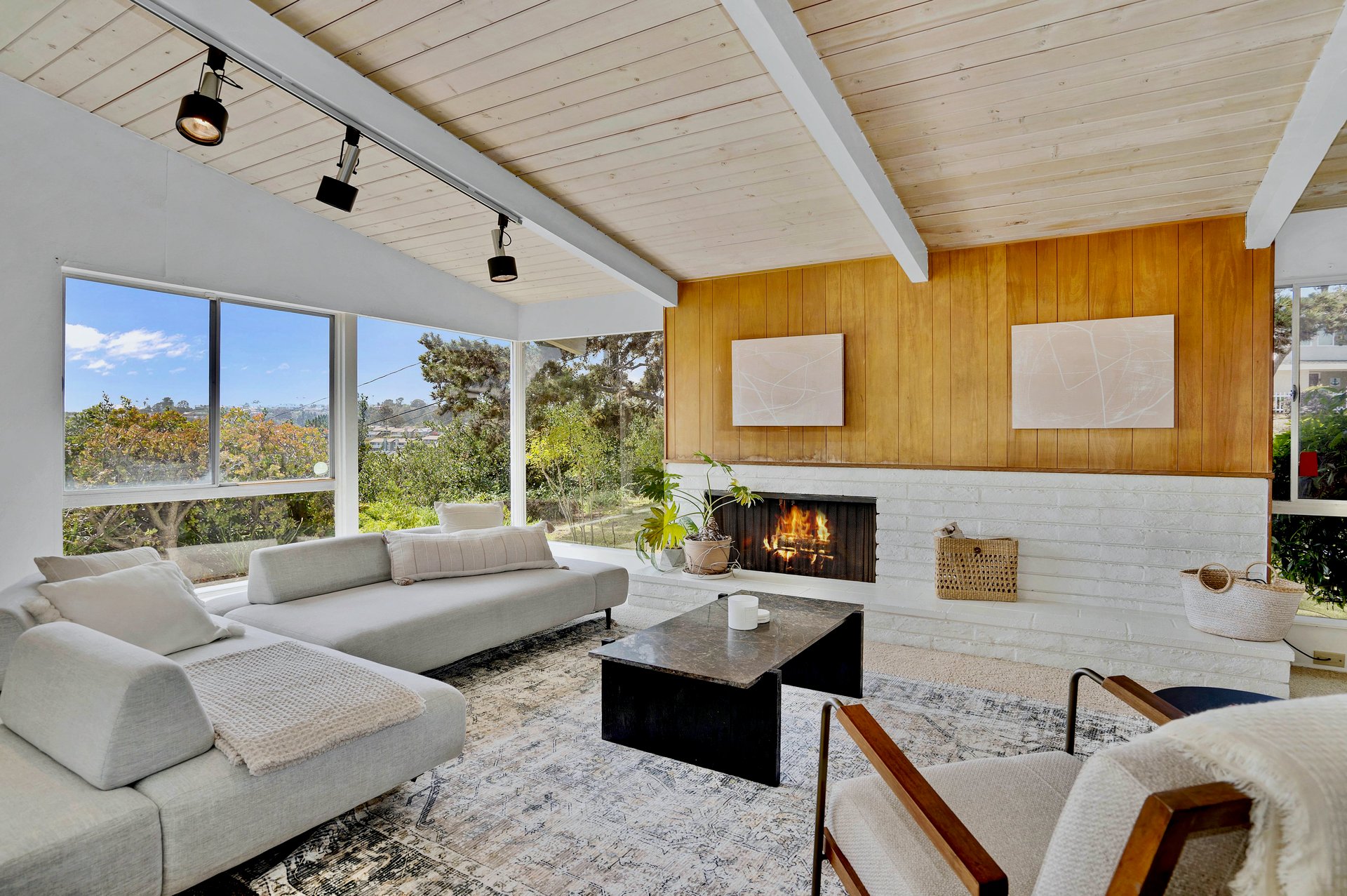
Mid-century modern homes have undeniable charm and a devoted following – especially here in San Diego, where the sunny climate and coastal lifestyle make these indoor-outdoor designs shine. In neighborhoods like Pacifica (a mid-1960s tract near Mission Bay designed by Palmer & Krisel) and pockets of Point Loma and La Jolla, you’ll find beautiful examples of post-and-beam architecture and funky vintage flair. So why wouldn’t you want to buy one? 🤔
In truth, we love mid-century homes. But playing devil’s advocate, it’s worth understanding some unique challenges that come with owning a 60+ year-old modernist gem. The goal isn’t to scare you off – just to keep you informed in a friendly way. Here are five potential downsides (and later on we’ll also mention why these homes are still amazing!):
1. Limited Insulation and Energy Efficiency
Many classic San Diego mid-century homes were built with minimal insulation in the walls and roof. Back in the 1950s and ’60s, builders figured our mild climate didn’t really need it – energy was cheap, winters were mild, so why bother insulating? As a result, features like exposed beam ceilings and large glass walls came at the price of poor thermal performance. Homeowners today might find these houses get toasty in summer afternoons and chilly on winter nights, because there’s little buffer to keep heat in (or out).
Insulating an existing mid-century modern home can be tricky and costly. Often there’s no attic to easily add insulation, and flat roofs leave little room for bulky materials. Solutions like foam roofing or adding insulation panels above the roof deck can help, but they require major work. One local mid-mod owner joked that installing a foam-insulated roof was “far more expensive than leaving the heater on year-round,” highlighting how costly insulation upgrades can be. The bottom line: without proper insulation, you might spend more on heating and cooling – even in sunny San Diego.
2. Expansive Windows = High Energy Bills and Replacement Costs
Floor-to-ceiling windows are a signature mid-century feature – they let in gorgeous light and blur the line between indoors and outdoors. But those original windows were typically single-pane glass in aluminum frames, which offer little protection from heat or cold. The expansive glass can make it hard to keep a stable indoor temperature, leading to drafts and high energy bills in older mid-century homes. In fact, vintage single-pane windows can cause significant heat loss on cold nights and overheating during the day, forcing you to crank the AC or heater more often.
Upgrading to modern double-pane windows is the ideal fix – greatly improving insulation and comfort. However, doing so in a mid-century house isn’t cheap at all. If your home has many large custom-sized windows (as mid-century homes often do), the cost of replacement can be quite hefty You may need custom slim-profile frames to maintain the mid-century look, or even historical approval in certain cases. Some owners opt for alternatives like adding special coatings or interior acrylic panels to improve efficiency without fully replacing the originals, but those are stop-gap measures. The truth is, preserving that wall of glass and iconic look can come with a big price tag – something to budget for when buying a mid-century modern home.
3. Flat Roofs Can Be Leaky (Especially During Rare San Diego Rains)
Another hallmark of mid-century modern design is the flat or low-pitched roofline. It gives the home a sleek, horizontal look – but it’s not the most practical in heavy rain. Flat roofs are notorious for drainage issues: water can pond on the surface and eventually find a way inside if the roofing is old or poorly maintained. After decades, the original tar-and-gravel or membrane roofs on mid-century houses may deteriorate, leading to leaks that are tricky to track down. Even though San Diego doesn’t get a lot of rainfall compared to other places, our occasional winter downpours do happen – and a flat-roofed home might struggle to shed all that water efficiently.
Homeowners often find themselves needing to re-seal or replace flat roofs more frequently than a pitched roof. Modern membrane materials and better insulation can mitigate these problems by improving water shedding. Still, expect extra roof maintenance as part of mid-century home ownership. It’s a good idea to have an expert check the roof condition before you buy. And remember: those cool butterfly or folded-plate roof designs were cutting-edge in the ‘60s, but they might require 21st-century upgrades (new drains, sealed seams, etc.) to keep your home dry. This isn’t to say flat roofs are a deal-breaker – just be aware that maintaining that iconic roofline may demand a bit more vigilance (and money) over time.
4. Aging Plumbing and Electrical Systems (Maintenance Ahead!)
When you purchase a mid-century modern home in San Diego, you’re also inheriting a house that’s about 60-70 years old. Plumbing, wiring, and other infrastructure from the 1950s or 60s may be reaching the end of its lifespan. For example, the home might still have galvanized steel water pipes (prone to corrosion), an old fuse box or undersized electrical panel, and minimal outlets by today’s standards. Even if everything was built well for the time, technology and building codes have come a long way. An original mid-century house likely needs updates to meet modern safety and comfort needs – think GFCI outlets, grounded wiring, updated HVAC, etc. If the home hasn’t been renovated recently, plan for a thorough inspection and some upgrade costs.
Additionally, general wear-and-tear is a factor. Roofs we discussed above, but also water heaters, sewer lines, and heating systems in older homes could require replacement. Some mid-century homes featured radiant floor heating or wall furnaces which might not function well today. And yes, San Diego mid-century houses built before 1978 could contain lead-based paint or even asbestos in ceiling tiles or insulation – professional remediation might be needed during renovations. All this adds up to potentially higher maintenance and repair costs than a newer home. As one report notes, mid-century properties earned a reputation for being “difficult and expensive to maintain” as they aged, with remodelers often facing costly repairs like fixing roof leaks or replacing drafty windows. Even finding parts can be challenging – original fixtures, tiles, or siding used decades ago might no longer be made, meaning you have to hunt for salvaged pieces or pay a premium for custom work. None of these challenges are insurmountable (many owners tackle them and end up with amazing results), but it’s wise to go in with eyes open and a realistic budget for ongoing upkeep.
5. Limited Storage and Space by Modern Standards
Mid-century modern homes tend to prioritize open living spaces over tons of storage. The philosophy was all about minimalism and efficient design – great in theory, but it means you might not get the palatial closets or gigantic garages that more contemporary homes boast. Many San Diego mid-century homes (like those in Pacifica or older tract developments) were built as cozy 3-bedroom, 2-bath houses under ~1,800 sq ft. They feel airy thanks to open floor plans and big windows, yet the actual bedroom sizes and closet space can be on the smaller side. It’s common to find only a one-car or two-car garage (sometimes none, in certain vintage townhomes), and little in the way of attic storage. For anyone with lots of stuff, this lack of storage can be a real adjustment.
Lifestyle needs have evolved since the 60s. Families today often desire a walk-in closet, a pantry, a laundry room – spaces that mid-century designs sometimes sacrificed in favor of clean lines and an uncluttered look. Of course, you can always remodel or add storage solutions. Some owners get creative with built-ins that match the mid-century style, or even consider building an addition. But expanding a mid-century home can be expensive and must be done thoughtfully to preserve the home’s character. If you love the style but need more space, you might have to balance those two or be ready for a renovation. In short, these homes were built in an era of slightly more compact living – which isn’t necessarily bad (many say it’s actually quite sufficient and cozy), but it’s something to be aware of before you buy.
Friendly tip: When house-hunting, open every closet and imagine where you’ll put your surfboards, mountain bikes, holiday decorations, etc. You may decide that the trade-off for style is worth a trip to IKEA for storage solutions – and many mid-century aficionados gladly make that trade! Just know that a 1960s home likely won’t have the same storage extravagance as a new suburban tract house.
6. Wood Construction + San Diego = Termites (Yes, Really)

This one surprises a lot of buyers relocating from out of state.
Many mid-century modern homes in San Diego were built with heavy wood construction — exposed beams, tongue-and-groove ceilings, wood siding, fascia boards, and post-and-beam framing. It’s part of what gives these homes their warmth and architectural character. Unfortunately, it’s also exactly what termites love.
If you’re coming from a colder climate or an area without termites, this can be a bit of a shock. In Southern California, termites are extremely common, especially in coastal and older neighborhoods like Pacific Beach, Point Loma, Solana Beach, Del Mar and La Jolla. Most long-time homeowners here will tell you: termites aren’t an “if,” they’re a “when.”
There are two main types you’ll hear about:
-
Drywood termites, which live directly inside wood structures (very common in mid-century homes)
-
Subterranean termites, which live in the soil and access homes from below
Here’s the key thing for newcomers to understand:
👉 Termites are normal here, and treatment is routine.
A termite report is standard during a home purchase, and many homes are treated preventatively every 5–10 years. Treatment can involve localized spot treatment or full-home tenting, depending on severity. While tenting sounds dramatic, it’s a well-understood process in San Diego and not necessarily a deal-breaker.
That said, mid-century homes can be more vulnerable because:
-
They contain more exposed and structural wood than newer builds
-
Some original construction details make inspection access harder
-
Deferred maintenance over decades can allow infestations to go unnoticed
For buyers unfamiliar with termites, the idea of “fumigation” can feel alarming. Locally, it’s simply part of responsible ownership — much like roof maintenance or exterior painting. The important thing is understanding the condition of the home, budgeting appropriately, and working with experienced inspectors.
Bottom line: termites shouldn’t scare you away from a mid-century home in San Diego — but they do require awareness, education, and proper maintenance, especially if you’re new to the area.
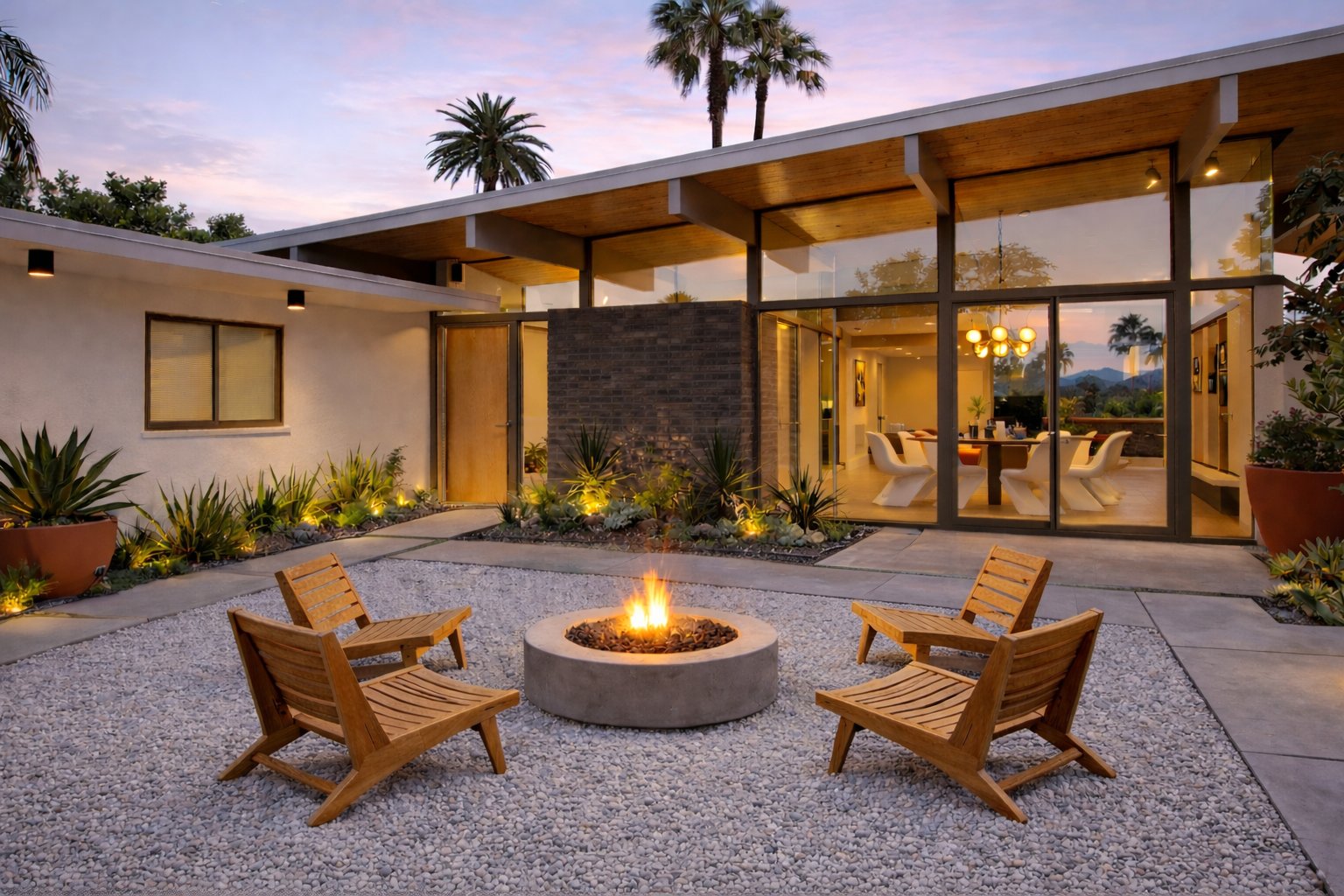
Now that we’ve played the devil’s advocate and covered some potential pitfalls, let’s end on a positive note. 😊 Why do so many San Diegans absolutely adore owning mid-century modern homes despite these challenges? The truth is, for every challenge listed above, there’s an equally compelling benefit that keeps mid-century lovers hooked. These homes are special, and they offer something new builds often can’t match. In fact, experts note that mid-century modern houses remain extremely attractive for their enduring beauty, connection with nature, and clever design that suits today’s lifestyles.
Below is a quick bullet-point recap of why it’s amazing to own a mid-century home – especially in a place like San Diego:
-
Timeless Architectural Style: Clean lines, post-and-beam construction, and iconic designs give mid-century homes a timeless aesthetic appeal that never really goes out of style. Your home will have character and mid-century “cool” factor in spades.
-
Indoor-Outdoor Living: Huge windows, sliding glass doors, and courtyard layouts let you enjoy California’s climate to the fullest. These homes brilliantly blend indoor and outdoor spaces, flooding interiors with natural light and opening up to patios or yards for that true Southern California lifestyle.
-
Open & Airy Layouts: Mid-century modern homes pioneered the open floor plan concept. Living, dining, and kitchen areas tend to flow together, which is perfect for modern entertaining and family living. Even a smaller mid-century house can feel larger than its square footage, thanks to efficient use of space and visual openness.
-
Quality Craftsmanship: Many mid-century homes were built with quality materials like real hardwood, stone, and redwood beams. They have solid construction and custom details that have stood the test of time. Owning one means being the steward of a piece of architectural history that was built to last.
-
Unique Character and History: Each mid-century property often has a unique story – whether it was designed by a notable architect or sports a one-of-a-kind design feature. There’s a pride of ownership that comes with preserving and cherishing a mid-century modern home’s character. It’s not “cookie-cutter” – it’s a conversation piece and a work of art you get to live in.
In the end, buying a mid-century modern home in San Diego is about embracing a lifestyle. Yes, you’ll deal with some quirks and upgrade projects, but you’ll also enjoy an architectural gem that brings joy every day. For many of us, that trade-off is completely worth it. After all, who can resist watching the sunset through a panoramic glass wall or hosting a tiki-themed patio party at a classic 1960s ranch? 🌴🏡
Happy house hunting, and may you find the mid-century home of your dreams – challenges and all!
~Kelly Macdonald
_________________________________
Sources: Mid-century home maintenance insightsopenuptoperformance.comchriscustomhomes.com; energy efficiency and window informationaplosgroup.comchriscustomhomes.com; roof and design detailsblockrenovation.comchriscustomhomes.com; San Diego mid-century contextatomic-ranch.comchriscustomhomes.com.